
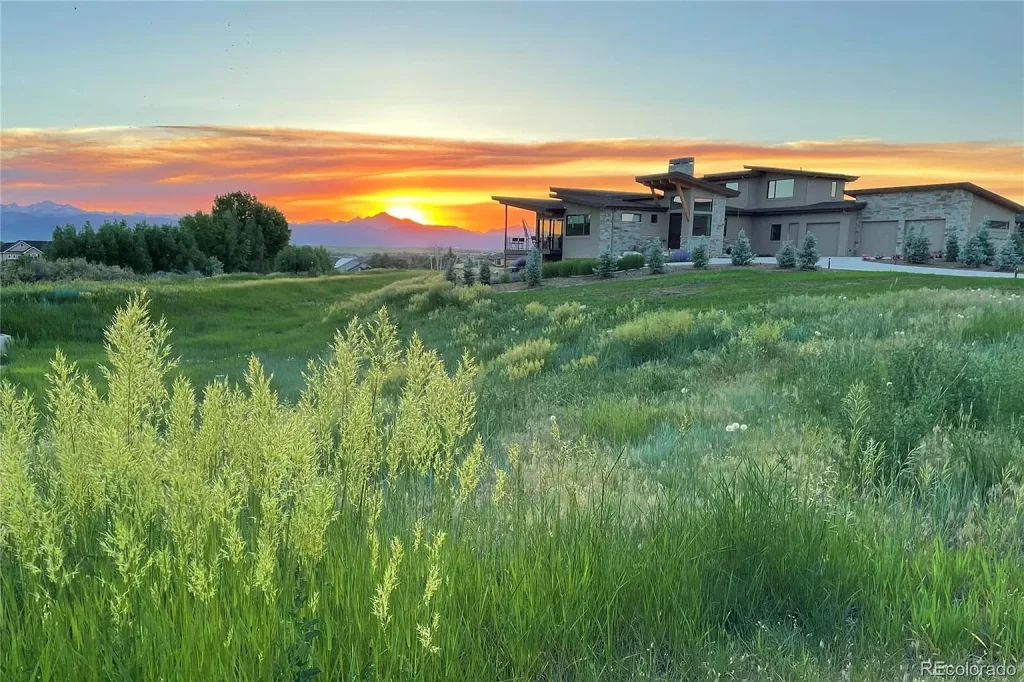
In the heart of Colorado, where majestic mountain ranges meet expansive skies, a new vision of luxury home design is thriving—one that erases the boundary between indoor comfort and outdoor beauty. Indoor-outdoor living is more than just a design trend; it’s a lifestyle philosophy centered on freedom, flow, and a deep connection to the natural environment. For discerning homeowners, it represents the ultimate luxury: the ability to experience nature without ever leaving home.
At Easton Homes, we specialize in creating spaces that harmonize with the landscape, offering seamless transitions between indoors and out. Whether it’s a home nestled into a mountainside or overlooking a sun-drenched meadow, indoor-outdoor living is at the heart of how we design.
The Philosophy Behind Seamless Home Design
Seamless home design is rooted in the belief that architecture should not merely contain you: it should connect you. That means more than just adding a deck or patio. It’s about thoughtful planning, intentional materials, and spatial flow that create unity across every square foot of the property.
When done right, this design approach expands living space without increasing square footage. It makes a kitchen feel part of a garden, or a bedroom feel like a retreat under the stars. It invites fresh air, sunlight, and panoramic views into your daily life. In Colorado, where each season brings its own beauty, this design concept aligns perfectly with the rhythms of the natural world.
Architectural Foundations of Indoor-Outdoor Living
A seamless indoor-outdoor experience starts with thoughtful architectural design. The way a home is structured, such as how it opens, flows, and interacts with its surroundings, sets the tone for the entire lifestyle. In Colorado’s diverse climate and breathtaking settings, these design elements are especially powerful.
Retractable Glass Walls and Sliding Doors
Modern glass wall systems have revolutionized the concept of blending indoor and outdoor spaces. Pocketing doors disappear into the walls entirely, while bi-fold glass panels fold neatly aside to eliminate the boundary between the great room and the terrace. When closed, these expansive doors still provide abundant natural light and a visual connection to nature, ensuring that even in winter, the outdoors remains a central part of the interior experience.
Open-Air Courtyards and Atriums
Open-air courtyards and central atriums provide a unique architectural solution for indoor-outdoor flow, especially on compact or urban lots. These spaces are typically encircled by rooms and glass walls, creating an enclosed oasis of natural light and ventilation that’s completely private.
Whether used as a quiet reading nook, a water feature garden, or an alfresco dining area, courtyards function as the home’s emotional and physical center, bringing nature inward while maintaining a sense of intimacy and seclusion.
Covered Outdoor Rooms and Transitional Zones
Covered outdoor areas, such as verandas, loggias, and breezeways, act as vital connectors between the inside and outside. These spaces are neither fully enclosed nor fully exposed, making them ideal for Colorado’s changing weather.
With the right overhead coverage, they provide shade in the summer and protection from snow or rain in colder months, allowing homeowners to enjoy outdoor spaces comfortably all year long. More than just transitional zones, these areas become secondary living rooms, often outfitted with fireplaces, ceiling fans, and soft furnishings to maximize usability.
Multi-Level Terracing and Step-Down Patios
Elevation changes can enhance indoor-outdoor living when designed with intention. Step-down patios, sunken fire pits, or tiered garden paths create a dynamic flow between spaces without interrupting sightlines.
By using gentle grading or integrated steps, these multi-level elements support movement from one area to another while visually tying together the interior design with the surrounding landscape. In sloped Colorado lots, terracing also helps maximize usable space without feeling disconnected from the main structure.
Material Choices That Unify Inside and Out
Creating a seamless connection between indoor and outdoor areas requires more than just open floor plans; it depends on the materials that tie the spaces together. Cohesive surfaces, textures, and finishes serve as visual anchors that reinforce unity while supporting comfort and durability.
Flooring Continuity
One of the most effective ways to unify indoor and outdoor areas is through flooring. When the same or closely matched materials are used across the transition, such as porcelain tile, natural stone, or hardwood, it gives the impression of a continuous, uninterrupted space. Many luxury homes in Colorado use heated exterior flooring to extend comfort through colder months, allowing patios and walkways to be both beautiful and functional year-round.
Ceiling and Roofline Extensions
A unified ceiling plane can subtly strengthen the indoor-outdoor connection. Extending the interior ceiling treatment onto the exterior patio or porch visually elongates the interior space. It draws the eye outward and blurs the boundary at the wall. Similarly, roofline extensions and overhangs provide architectural shelter that encourages a natural flow between zones while also offering passive energy benefits, such as shading during the summer and heat retention during the winter.
Window Walls and Sightlines
Strategically placed window walls and clerestory windows play a major role in preserving visual access to the outdoors, even when the space is enclosed. Expanses of glass that stretch from floor to ceiling or wrap around corners ensure that natural light and scenic views remain front and center.
Clear sightlines enhance the perception of openness, allowing homeowners to feel connected to nature from almost any room in the house. In Colorado, where mountain vistas and forested landscapes are part of the appeal, these views become integral to the design narrative.
Indoor Materials That Echo the Outdoors
Material choices within the home can also evoke a natural feel, even if they’re not directly inspired by the exterior. Reclaimed wood, raw stone, concrete, and hand-textured plaster all bring tactile, organic qualities into the home. These finishes are not only beautiful but durable, reflecting the rugged elegance of the Colorado landscape. Even subtle touches like river rock mosaics in a bathroom or a fireplace clad in local sandstone help echo the outdoor environment and reinforce the home’s connection to its surroundings.
Together, these architectural and material choices create more than aesthetic harmony. They foster a lifestyle where the walls of the home feel like gentle thresholds rather than strict boundaries. For Colorado homeowners who want to celebrate their natural environment, this approach to design offers both beauty and intention in every detail.
Furnishing the Flow: Interior Design for Indoor-Outdoor Living
Once the architectural foundation is in place and materials have been carefully selected, the final step in achieving seamless indoor-outdoor living is thoughtful interior design. Furnishings, textiles, lighting, and decor should not create a visual or functional divide between inside and outside. Instead, they should flow naturally, extending comfort and style across the threshold.
Transitional Furniture and Textiles
Furniture plays a central role in unifying interior and exterior spaces. The key is choosing pieces that are durable enough to withstand the elements but refined enough to complement high-end interiors. Transitional furniture, crafted from teak, powder-coated aluminum, woven resin, or all-weather wicker, delivers the needed durability while maintaining a modern aesthetic. Upholstery options have also evolved, with performance fabrics now available in soft textures and neutral palettes that rival traditional indoor materials.
Rather than having a distinct “patio set” outside and formal seating inside, many homeowners now use matching or complementary styles across both zones. Cushioned lounges, modular sectionals, and even dining sets can move easily between the indoors and outdoors depending on the season or event. This flexibility allows the home to feel like a single, continuous space, rather than two separate areas with competing design styles.
Plant Integration and Biophilic Design
Nature shouldn’t stop at the door. Integrating greenery into the home’s interior deepens the connection to the outdoors and creates a more grounded, restorative environment. Houseplants of all sizes can be arranged in clusters near windows, on shelving, or in transitional spaces like breezeways and entry halls to visually extend the landscape inward.
Living walls and vertical gardens are particularly impactful in indoor-outdoor design. Installed along interior courtyards or sunlit accent walls, they bring dynamic texture and color to the home year-round. These biophilic elements don’t just look beautiful; they also improve indoor air quality and boost mood, making the living space feel more vibrant and healthful.
Lighting That Bridges Spaces
Lighting is one of the most effective tools for reinforcing flow. When done well, it creates a continuous ambiance that makes interior and exterior areas feel like parts of the same environment, even after dark. The key is consistency. The goal is not uniformity, but thoughtful coordination between fixtures, finishes, and intensity levels.
Pendant lights in the kitchen might mirror those over the outdoor dining area. Wall sconces that line an interior hallway could extend to the patio columns in a similar style. Landscape lighting should highlight exterior architecture and pathways while complementing the glow from indoor lamps and chandeliers. Using warm light temperatures throughout creates a unified visual tone, making the transition from one space to the next feel natural and inviting.
Blurring Boundaries With Color and Texture
Color and texture tie a home’s design together at the most fundamental level. For homes that embrace indoor-outdoor living, the palette should draw inspiration from the surrounding landscape. Earth tones like soft browns, warm grays, sage greens, and sand-colored neutrals help the home feel anchored in its environment.
These tones can be echoed in upholstery, wall treatments, cabinetry, and even accessories like throw pillows and artwork. Textures also matter: linen, rattan, natural wood, and stone finishes create a sensory experience that mirrors the tactile quality of the outdoors. Even in sleek, contemporary homes, layering in these textures adds depth and warmth.
By maintaining consistency in tone and tactile quality, the home tells a visual story of continuity and openness: key traits in any indoor-outdoor design. Instead of clearly defined borders, there’s a sense of fluid movement, where every element plays a part in connecting the interior with the natural world beyond.
When thoughtfully executed, interior design becomes the final, essential layer in a truly seamless indoor-outdoor lifestyle. It ensures that what starts with architecture and materials is fully realized in the way each space is lived in, styled, and experienced every day.
Functional Luxury: Designing for Colorado’s Four Seasons
Colorado’s climate demands designs that can adapt to changing weather while still promoting openness and connection. With the right features, indoor-outdoor living is not just a summer luxury: it’s a year-round lifestyle.
Fire features, both indoors and out, provide comfort and ambiance. A fireplace that opens to both a living room and an outdoor lounge can anchor the home with warmth and character. Radiant floor heating on patios or heated seating areas make it easy to enjoy outdoor spaces in cooler months.
Shade is equally important. Pergolas, retractable awnings, and even motorized louvers can help manage the intense summer sun while preserving views and air flow. Smart glass that tints in response to light levels is another emerging feature in luxury design.
Kitchens that connect to the outdoors via pass-through windows or sliding walls create effortless entertaining spaces. Many Colorado homes now feature fully outfitted outdoor kitchens, complete with sinks, grills, storage, and even beverage fridges, allowing the line between cooking indoors and dining outdoors to vanish entirely.
Passive solar design and orientation also matter. South-facing courtyards, protected patios, and strategically placed overhangs maximize light and warmth while minimizing exposure during peak heat.
Why Indoor-Outdoor Living Is a Smart Investment
Homes designed with seamless indoor-outdoor flow consistently rank among the most desirable in the luxury market. These features not only enhance your daily life, but they also add long-term value.
Buyers increasingly prioritize natural light, outdoor space, and integrated design when shopping for high-end homes. In a state like Colorado, where the landscape is a major draw, homes that celebrate this connection hold a competitive advantage.
Beyond resale value, these design elements also enhance durability and energy efficiency. With modern materials and careful planning, your indoor-outdoor home can remain functional, comfortable, and timeless for years to come.
Designing with Easton Homes: Bringing Your Vision to Life
At Easton Homes, we believe indoor-outdoor living should reflect your lifestyle, your lot, and your architectural vision. Whether you want to host year-round dinner parties on a heated terrace or wake up to the sound of water in a private garden, our design-build team will help bring that vision to life.
From the initial site study to final finishes, we craft each detail with purpose. Our homes are built not just to be lived in, but to inspire living fully, in harmony with the Colorado landscape.
Make Nature Part of Everyday Living
Indoor-outdoor living isn’t a passing trend. It’s a design philosophy rooted in beauty, wellness, and the luxury of connection. In Colorado, where every season offers something worth savoring, Easton Homes is proud to build homes that open to the world around them.
If you’re ready to explore a home that lives as beautifully outdoors as it does in, we invite you to connect with us. Let’s design a space where nature is always within reach.